



What Makes Subaru Wilderness Different from Regular Subaru Trims?
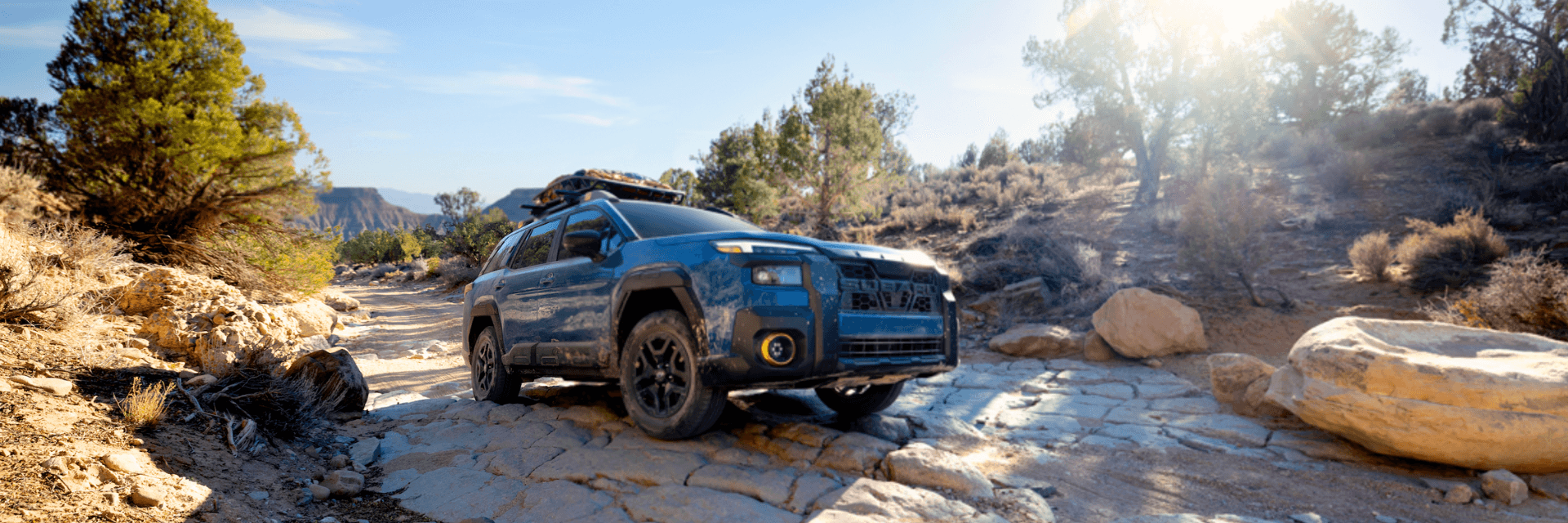
Subaru has long been known for building vehicles that perform well in a wide range of driving conditions. With standard Symmetrical All-Wheel Drive, strong safety ratings, and dependable engineering, Subaru models are popular with drivers who value confidence and reliability. In recent years, Subaru took that reputation a step further by introducing the Wilderness trim, a lineup designed specifically for drivers who want enhanced off-road capability and rugged durability.
Available on models like the Outback, Crosstrek, and Forester, the Wilderness trim offers more than just aggressive styling. It includes mechanical upgrades, specialized equipment, and functional features that set it apart from traditional Subaru trims.
At Subaru of Baton Rouge, many drivers ask how the Wilderness models differ from standard trims and whether the upgrade is worth it. This guide breaks down the real, measurable differences to help you decide which Subaru fits your lifestyle.
Understanding Subaru’s Wilderness Lineup
The Subaru Wilderness trim was developed for drivers who regularly venture beyond paved roads. While standard Subaru models already perform well in rain, gravel, and light snow, Wilderness models are engineered for more demanding environments.
These vehicles are designed to handle:
-
Rough dirt and gravel roads
-
Muddy or sandy terrain
-
Uneven trails
-
Steep inclines
-
Wet or slippery surfaces
Instead of focusing purely on appearance, Subaru made functional changes to improve durability, traction, and ground clearance.
Increased Ground Clearance
One of the most noticeable differences between Wilderness models and standard trims is ride height.
Ground Clearance Comparison
Wilderness models typically offer increased clearance:
-
Outback Wilderness: About 9.5 inches
-
Forester Wilderness: About 9.2 inches
-
Crosstrek Wilderness: About 9.3 inches
Most standard Subaru trims range from approximately 8.7 to 8.9 inches, depending on the model.
Why This Matters
Higher ground clearance helps drivers:
-
Avoid scraping undercarriage components
-
Drive over rocks and uneven terrain
-
Navigate flooded or muddy roads
-
Improve approach and departure angles
This extra clearance gives Wilderness models a clear advantage when traveling off the beaten path.
Upgraded Suspension and Off-Road Tuning

Wilderness trims feature suspension systems that are tuned differently from standard models.
Suspension Enhancements
These typically include:
-
Reinforced springs and dampers
-
Revised shock tuning
-
Improved wheel articulation
The suspension is calibrated to handle heavier loads and uneven terrain while maintaining stability.
Driving Benefits
These changes result in:
-
Better stability on rough surfaces
-
Improved traction on loose terrain
-
More confidence when driving off-road
-
Reduced body movement on uneven roads
While standard Subaru models prioritize comfort and fuel efficiency, Wilderness models are tuned for durability and control.
All-Terrain Tires and Specialized Wheels
Another major difference is the inclusion of all-terrain tires.
Tire Specifications
Wilderness models come equipped with factory-installed all-terrain tires, typically designed for:
-
Mud
-
Gravel
-
Sand
-
Wet surfaces
-
Light snow
These tires have deeper tread patterns and stronger sidewalls than standard all-season tires.
Wheel Design
Wilderness trims also feature:
-
Unique alloy wheels
-
Dark-finished or matte designs
-
Reinforced construction
Real-World Impact
All-terrain tires improve:
-
Grip on loose surfaces
-
Stability in wet conditions
-
Resistance to punctures
-
Traction on dirt roads
Standard trims usually use highway-oriented tires that prioritize comfort and fuel economy instead.
Enhanced All-Wheel Drive and X-MODE Systems
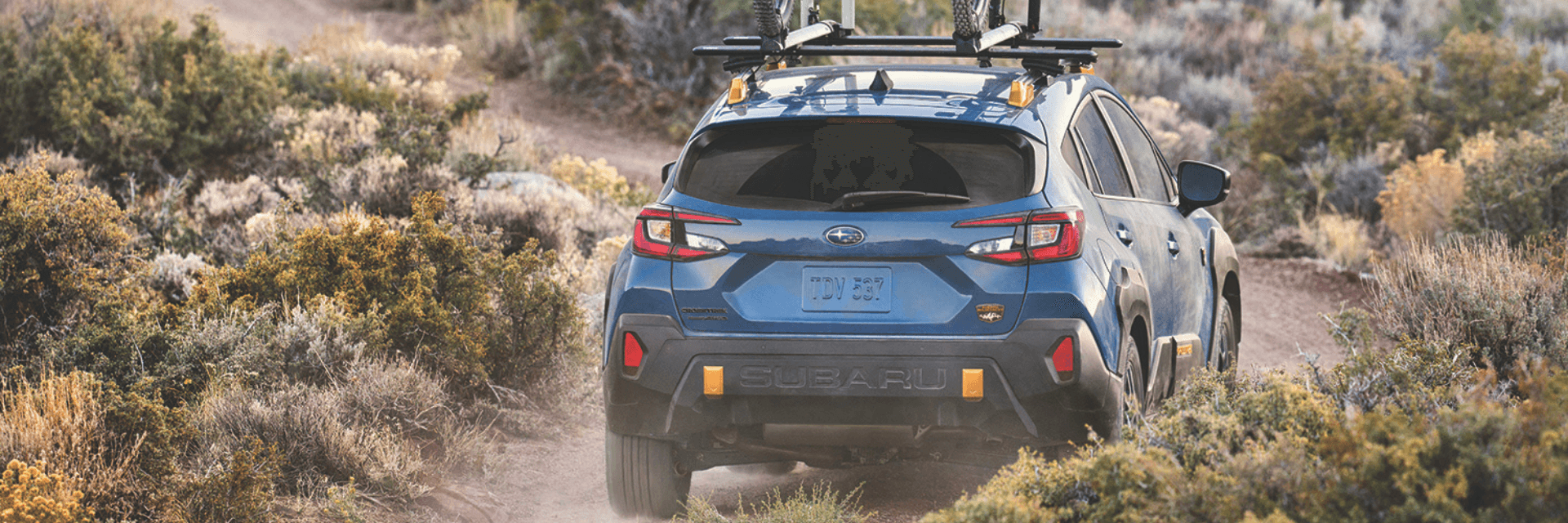
All Subaru vehicles come with Symmetrical All-Wheel Drive, but Wilderness models receive additional tuning.
Dual-Function X-MODE
Most Wilderness models include Dual-Function X-MODE, which offers specialized driving modes such as:
-
Snow/Dirt Mode
-
Deep Snow/Mud Mode
These modes adjust:
-
Throttle response
-
Transmission behavior
-
Torque distribution
-
Brake intervention
Transmission Adjustments
On certain Wilderness models, Subaru modifies gear ratios and transmission tuning to improve low-speed control and hill-climbing ability.
Benefits
These systems help:
-
Maintain traction on slippery surfaces
-
Improve downhill control
-
Reduce wheel spin
-
Enhance off-road confidence
Standard trims usually feature basic X-MODE systems with fewer terrain settings.
Underbody Protection and Skid Plates
Wilderness trims include added protection beneath the vehicle.
Protective Components
Many models feature skid plates protecting:
-
Engine
-
Transmission
-
Rear differential
-
Fuel tank
These plates are typically made from reinforced steel or aluminum.
Why This Is Important
Underbody protection helps prevent damage from:
-
Rocks
-
Branches
-
Uneven surfaces
-
Debris
Standard trims generally do not include skid plates or offer them only as optional accessories.
Higher Towing Capacity (Select Models)
Some Wilderness models offer increased towing capability compared to standard trims.
Example: Outback Wilderness
-
Standard Outback trims: Around 2,700 lbs
-
Outback Wilderness: Up to 3,500 lbs
Practical Benefits
Higher towing capacity allows drivers to pull:
-
Small campers
-
Utility trailers
-
Kayaks and boats
-
Outdoor equipment
This makes Wilderness models more versatile for adventure-oriented drivers.
Roof Rack and Cargo Upgrades
Wilderness trims feature enhanced roof rack systems designed for heavier loads.
Roof Rack Capacity
Many Wilderness models offer:
-
Higher dynamic load ratings (while driving)
-
Higher static load ratings (when parked)
This supports:
-
Rooftop tents
-
Cargo boxes
-
Kayak racks
-
Bike carriers
Comparison to Standard Trims
Standard Subaru roof racks are capable, but Wilderness racks are reinforced for heavier outdoor gear.
Interior Materials and Durability
Inside the cabin, Wilderness models are built for rugged use.
Interior Enhancements
These may include:
-
Water-resistant upholstery
-
Durable seat materials
-
Rubberized floor mats
-
Easy-clean surfaces
-
Copper or bronze accent stitching
Why This Matters
These materials are designed to handle:
-
Muddy shoes
-
Wet clothing
-
Outdoor gear
-
Pet hair and dirt
Standard trims usually focus more on comfort and luxury materials.
Exterior Design and Functional Styling
Wilderness models feature distinctive exterior elements that serve both functional and visual purposes.
Key Design Features
-
Matte-black hood decals (reduce glare)
-
Blacked-out trim
-
Reinforced roof rails
-
Unique grille designs
-
Wilderness badging
Purpose
While these features enhance appearance, many also improve:
-
Visibility in bright conditions
-
Durability
-
Roof load strength
-
Protection from minor damage
Standard trims emphasize sleek styling rather than rugged utility.
Fuel Economy Considerations
Because of added weight, larger tires, and higher ride height, Wilderness models typically have slightly lower fuel economy than standard trims.
Factors Affecting Efficiency
-
Increased drag
-
Heavier components
-
All-terrain tires
-
AWD tuning
What to Expect
Drivers may see a small decrease in mpg compared to standard models, especially in city driving. However, many owners consider this trade-off worthwhile for increased capability.
Pricing and Value Differences
Wilderness trims are positioned above mid-level trims but below luxury-focused models.
What You’re Paying For
The added cost reflects:
-
Suspension upgrades
-
Specialized tires
-
Skid plates
-
Roof rack enhancements
-
Interior durability features
-
AWD tuning
When factoring in aftermarket upgrades that would be needed to match these features, Wilderness models often represent strong value.
Who Should Choose a Wilderness Model?
A Subaru Wilderness model is a great fit if you:
-
Frequently travel on dirt or gravel roads
-
Enjoy camping, fishing, or hiking
-
Need extra clearance for rough terrain
-
Use rooftop tents or cargo carriers
-
Want factory-installed off-road upgrades
Standard trims may be better if you:
-
Drive primarily in the city
-
Prioritize fuel efficiency
-
Rarely leave paved roads
-
Want a softer ride
| Feature | Wilderness Trim | Standard Subaru Trim |
|---|---|---|
| Ground Clearance | Higher (Up to 9.5 inches) | Lower (Approx. 8.7–8.9 inches) |
| Suspension | Off-road tuned | Comfort focused |
| Tires | All-terrain | All-season |
| Skid Plates | Standard protection | Rare or optional |
| X-MODE System | Dual-function (Snow/Mud) | Basic system |
| Roof Rack | Reinforced, higher load rating | Standard capacity |
| Interior Materials | Rugged, water-resistant | Comfort and luxury focused |
| Towing Capacity | Higher (Select models) | Lower |
| Fuel Economy | Slightly reduced | More efficient |
| Primary Purpose | Off-road and adventure | Daily commuting |
Explore Subaru Wilderness Models at Subaru of Baton Rouge
At Subaru of Baton Rouge, we proudly offer Wilderness versions of the Outback, Crosstrek, and Forester, along with the full Subaru lineup. Our knowledgeable team can help you compare trims, explore financing options, and schedule a test drive to see how Wilderness models perform in real-world conditions.
Whether you’re navigating Louisiana backroads, planning weekend adventures, or simply want extra confidence on challenging terrain, Subaru Wilderness models deliver factory-built capability you can rely on.
Visit us today to explore our new Subaru inventory and discover whether a Wilderness model is right for you.
0 comment(s) so far on What Makes Subaru Wilderness Different from Regular Subaru Trims?